
South Africa’s financial markets underwent a decisive shift in the quarter ending November 2025, driven by robust performance and structural improvements resulting from a confluence of fiscal discipline, a landmark inflation target change, and external market tailwinds.
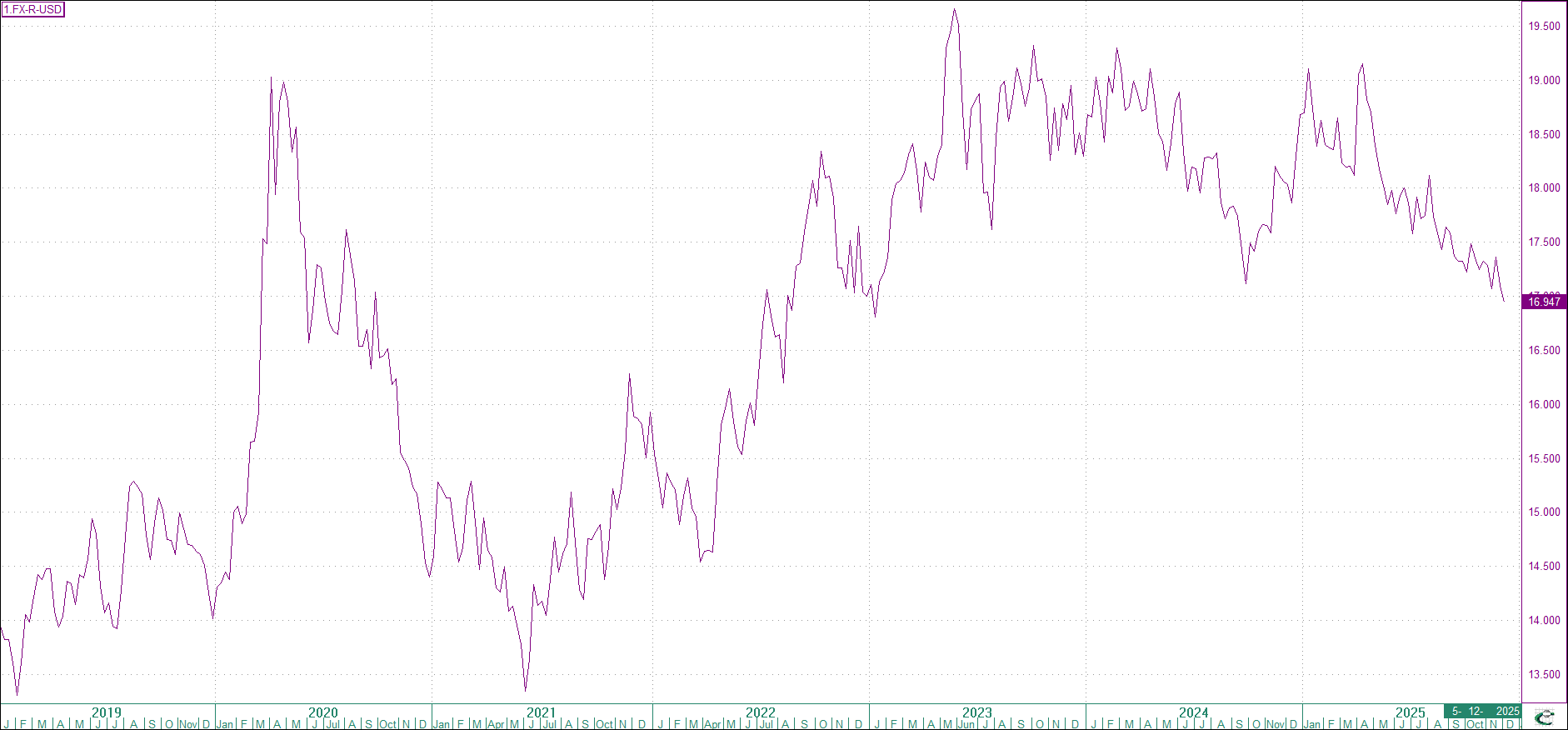
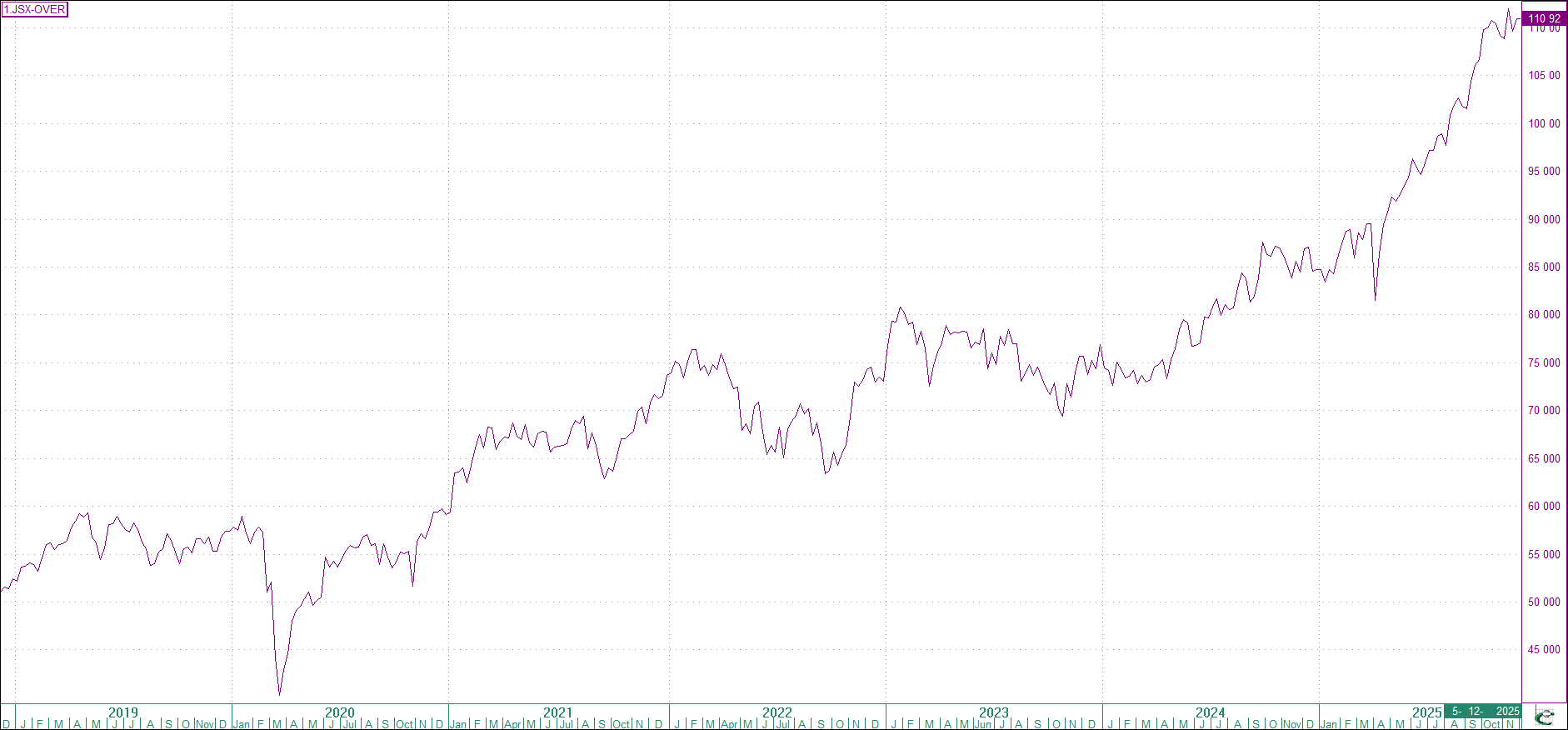
The JSE All Share Index (ALSI) reached an unprecedented high of 115716 during this period and closed at 110958, significantly outperforming the preceding quarter. This remarkable rally was largely underpinned by the resources sector strength, particularly Gold, with the Resources 10 Index more than doubling year-to-date due to sustained global safe-haven demand. Simultaneously, renewed investor interest fueled broad-based optimism across the local economy, notable in the banking, retail, and insurance sectors. Market confidence translated directly to the currency and fixed-income space: the rand strengthened below R17.00, reaching January 2023 highs, while local bond yields declined below 8.60%, achieving levels not seen since February 2021. This confluence of record equity performance, currency appreciation, and lower borrowing costs confirms a significant turnaround in South Africa’s investment case.
The recent Medium-Term Budget Policy Statement (MTBPS) delivered a strong signal of fiscal consolidation, which has significantly boosted market confidence. Key highlights include the announcement that government debt is projected to stabilise at 77.9% of GDP in the FY2025/26 financial year, marking a crucial turning point, the first time since the 2008 global financial crisis that public debt is not expected to grow as a percentage of GDP. This milestone was supported by an impressive revenue performance, with collections exceeding the February Budget estimate by R19.3 billion, primarily driven by stronger VAT and corporate tax receipts. Consequently, the Budget Deficit is now expected to narrow steadily from 4.5% of GDP in FY2025/26 to 2.7% in FY2028/29. In a move that further eased pressure on the bond market and signaled improved funding conditions, the weekly government bond issuance was reduced from R3.75 billion to R3 billion, a larger-than-expected cut. This combination of disciplined fiscal management and better-than-anticipated funding metrics underscores the positive shift in South Africa’s financial trajectory.
The most significant structural change in South Africa’s monetary policy framework was the formal adoption of a 3% inflation target with a 1% tolerance band (effectively 2% to 4%), representing a notable refinement from the previous 3% to 6% range. This lower, more predictable inflation environment significantly enhances the investment appeal of South African bonds to both local and international investors by better protecting real returns. Furthermore, this policy refinement is expected to deliver substantial economic benefits, including lower borrowing costs for the government and potentially reduced interest rates for businesses and households, thereby fostering increased consumption and supporting crucial job creation.
South Africa’s economy received a significant boost in late 2025 with the removal from the Financial Action Task Force (FATF) grey list, eliminating a major reputational and cost barrier for cross-border business. This positive sentiment was compounded by a robust commodity boom, with gold and platinum prices up 38% and 50% year-to-date respectively, driven by global uncertainty and strongly benefiting JSE-listed precious metals miners. Mirroring this improved outlook, the FNB Consumer Sentiment Index advanced to -9 (from -13 in the previous quarter), the highest level for 2025, signaling optimism for a strong festive season in the retail sector.
Below is an indication of how the Global Bourses have fared over the last few quarters: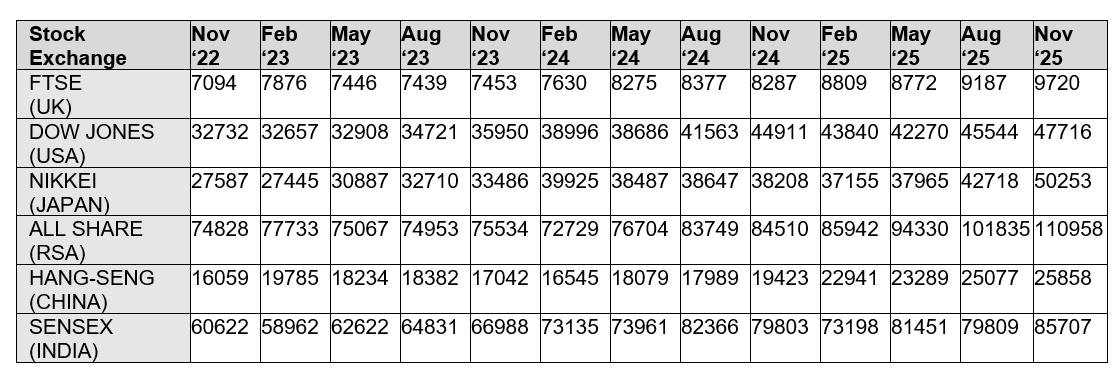 The below graph tracks the performance of the Rand against the US Dollar over a seven-year period:
The below graph tracks the performance of the JSE All Share Index over a seven-year period:
The primary geopolitical focus is on international stability concerns. While a specific, unverified political claim was excluded, the impact of policy is evident. The US Budget Impasse resulted in market shifts following the longest government shutdown in history, with the loss of some economic statistics complicating analysis. Globally, central banks are moderating aggressive interest rate hikes, but it remains uncertain if rates will continue to fall as inflation outlooks are balanced, reflected by the US Federal Reserve’s December easing odds slipping to approximately 50%.
The technology sector experienced a period of consolidation in the AI arena, marked by significant mergers and acquisitions as companies fiercely competed for market leadership; however, this corporate activity was overshadowed by a sharp retreat on Wall Street, where valuation anxieties caused technology behemoths to bear the brunt of the downturn. Simultaneously, bullion surged past $4,200/ounce, heading toward its strongest weekly performance in over a month, driven primarily by dollar weakness. Meanwhile, in the energy markets, oil volatility saw Brent futures advance toward $64/barrel, poised to break a two-week decline amid concerns over looming American penalties and potential supply disruptions.
Disappointing expansion figures in the UK, with third-quarter growth slowing to a mere 0.1% and a 0.1% contraction in September, alongside rising unemployment, are fueling expectations for a Bank of England rate cut. Concurrently, the European economic outlook is softening; economists have trimmed 2026 German GDP growth projections to 0.9%, leading markets to anticipate an approximately 40% likelihood of the European Central Bank (ECB) easing its monetary policy by September 2026. This confluence of weak economic data suggests a growing trend toward monetary easing across both major European financial centers.
While the investment case has materially improved, several significant challenges persist, including growth concerns fueled by the Treasury’s downward revision of 2025 GDP growth to 1.2%, with growth only expected to reach 2.0% by 2028—a pace insufficient to make meaningful progress on the desperate unemployment crisis. Furthermore, there is considerable execution risk, as the success of fiscal consolidation is contingent upon effective implementation of key initiatives, such as infrastructure investment, the professionalization of public services, and maintaining political cohesion within the current Government of National Unity (GNU). Finally, the persistent issue of corruption remains a hurdle, underscored by the establishment of numerous commissions of enquiry, particularly concerning policing services, which highlight the extent of malfeasance in state-run departments; ultimately, one would hope the renewed economic optimism can effectively translate into the creation of more jobs to alleviate the severe unemployment situation.
As the year draws to a close, we want to express our sincere appreciation for your continued trust and partnership. We hope you find time to relax, recharge, and enjoy a restful, joyful and safe festive season with your loved ones. We are genuinely excited about the opportunities that await and look forward to working alongside you for a promising and successful 2026.